
ResurFX
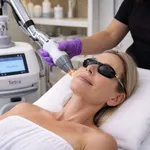
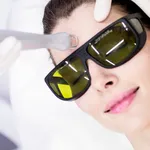
ResurFX fractional laser stimulates the production of new collagen and elastic fibers to produce a more radiant, youthful looking skin.
Learn more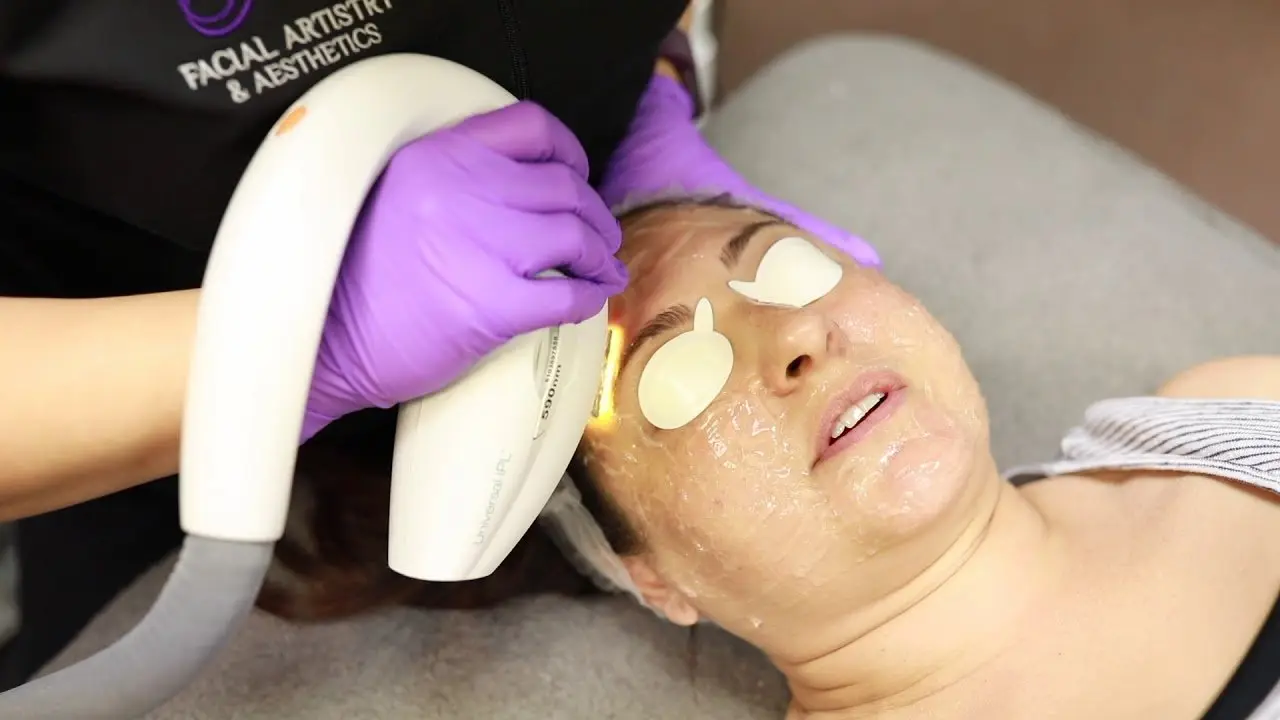
IPL Skin Rejuvenation is indicated for the cosmetic reduction of sun-induced skin damage and aging, including superficial pigmentation (brown spots) and telangiectasias (broken blood vessels). Practically any area can be treated, including face, neck, chest, back and hands.
IPL stands for intense pulsed light. You may also hear it called a photofacial or photorejuvenation.
IPL is a light treatment, not a true laser. Unlike a laser, an IPL device uses a flashlamp that sends out light across a broad range of wavelengths. It is non-ablative, which means it works without injuring the surface of the skin.
All light based Skin Rejuvenation treatments work by converting light energy from the IPL to heat the treated area. This heat stimulates the formation of collagen and elastin which tighten the skin, lightens pigmentation, reduces telangiectasias, and ultimately (after a series of treatments) improves overall skin tone, texture, and appearance.
An IPL device uses a flashlamp and filters to send out pulses of light in a chosen range of wavelengths. Like a laser, the light heats its target in the skin, such as the pigment in a brown spot or the blood in a small vessel, and leaves the skin around it largely unharmed.
Because the wavelengths, pulse length, and energy can all be adjusted, IPL can be set up for different skin types and concerns.
Intense pulse laser technology is one of today’s most advanced options for non-surgical correction of common skin problems.
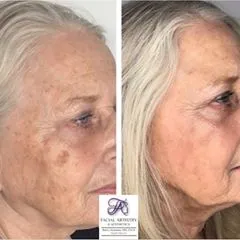
Intense pulsed light is among the treatments used for age spots and for a blotchy or ruddy complexion caused by sun damage.
For people with rosacea, intense pulsed light therapy can reduce flushing.
This kind of light therapy is a treatment option for redness and enlarged facial blood vessels, because its heat destroys small blood vessels under the skin.
Intense pulsed light is among the light treatments used for port-wine stain birthmarks.
IPL photorejuvenation is used for concerns that include freckles, wrinkles, and large pores.
Before your visit
Avoid makeup or lotions, and avoid the sun, as sunburned skin cannot be treated. Avoid all irritants to area, such as bleaching creams, retinols/retinas, glycolic/salicylic acids 3 days prior to treatment. Avoid chemical peels for two weeks prior to treatment. Please let us know prior to your appointment if you are taking any new medications that make you photosensitive.
During your visit
Your skin is cleansed first, and you wear eye protection the whole time to shield your eyes from the bright light. Your provider then presses the IPL handpiece against each treatment area and delivers pulses of light.
After your visit
You will feel like you have a sunburn after treatment. To soothe skin you are able to use aloe and ice packs. No lotions or products for 4 hours post treatment. To achieve the best results complete the full treatment schedule recommended.
Prep and aftercare
Our IPL prep and aftercare instructions walk through every step. A few to plan around:
IPL is one of several laser and light treatments we offer, and each one works a little differently.
IPL is sometimes paired with laser skin resurfacing or a chemical peel. Your provider will recommend the right option, or combination, for your skin and goals at your consultation.
IPL may be a good fit if you are in good general health and can stay out of the sun after each treatment. You may not be a good candidate for IPL therapy if you are prone to developing red, raised keloid scars or other forms of excess scarring, hyperpigmentation, or hypopigmentation. You are also not a good candidate for intense pulsed light therapy if you do not react well to heat.
Your provider will review your health history, medications, and skin at your consultation and let you know whether IPL is right for you.
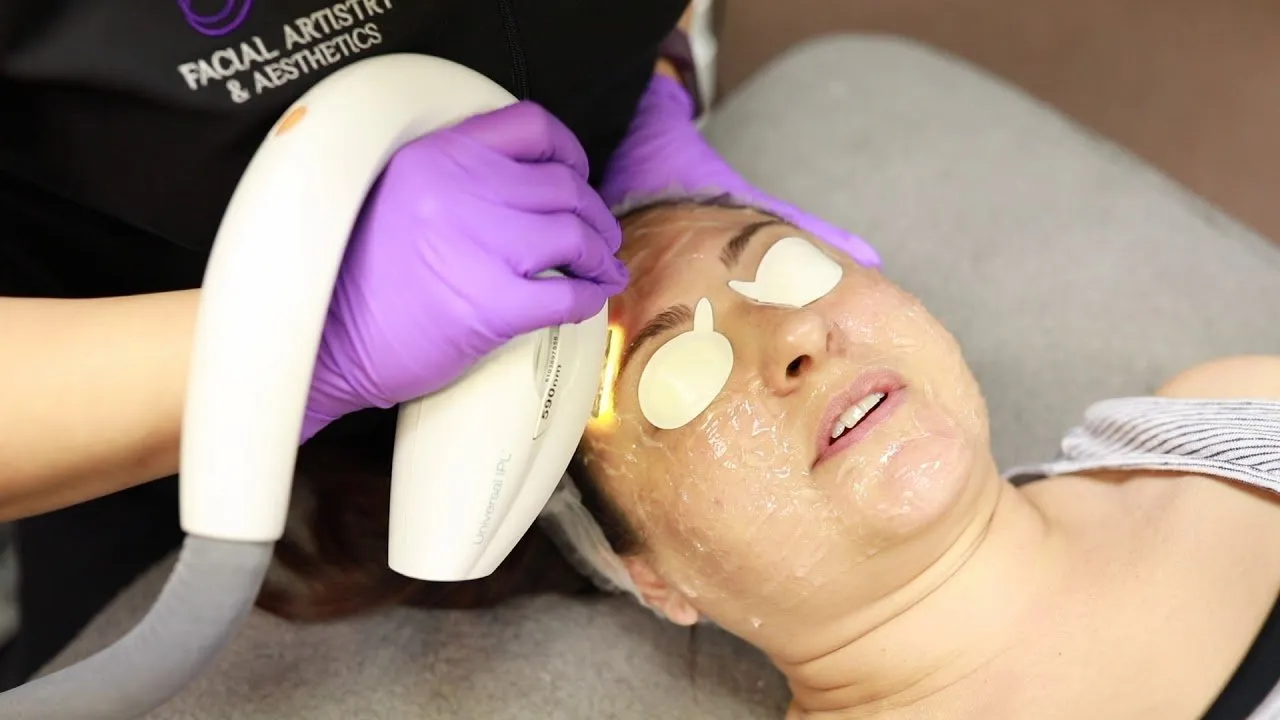 Play video: IPL video, a provider in purple gloves treats a woman's forehead with an IPL handpiece while white shields cover her eyes
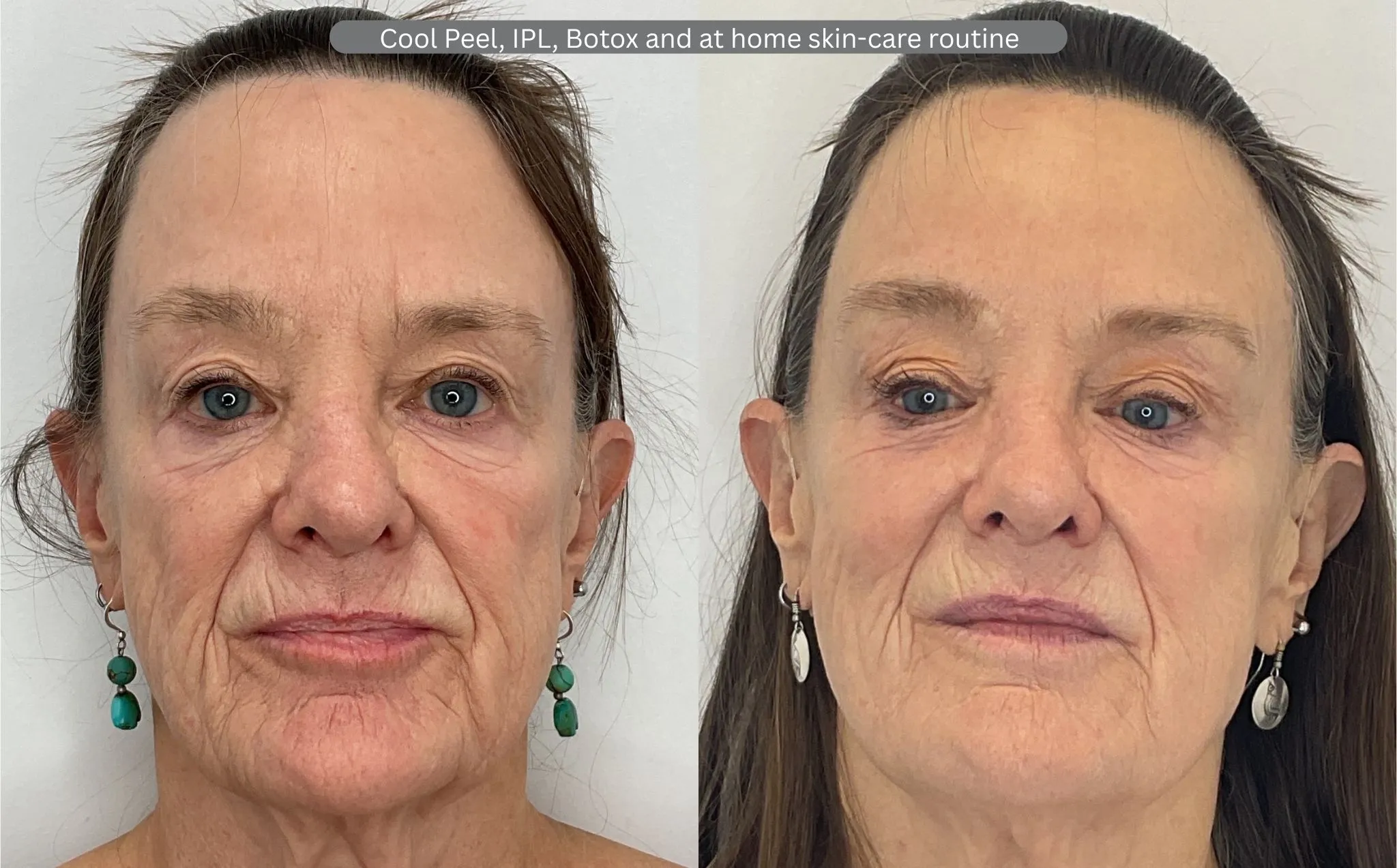
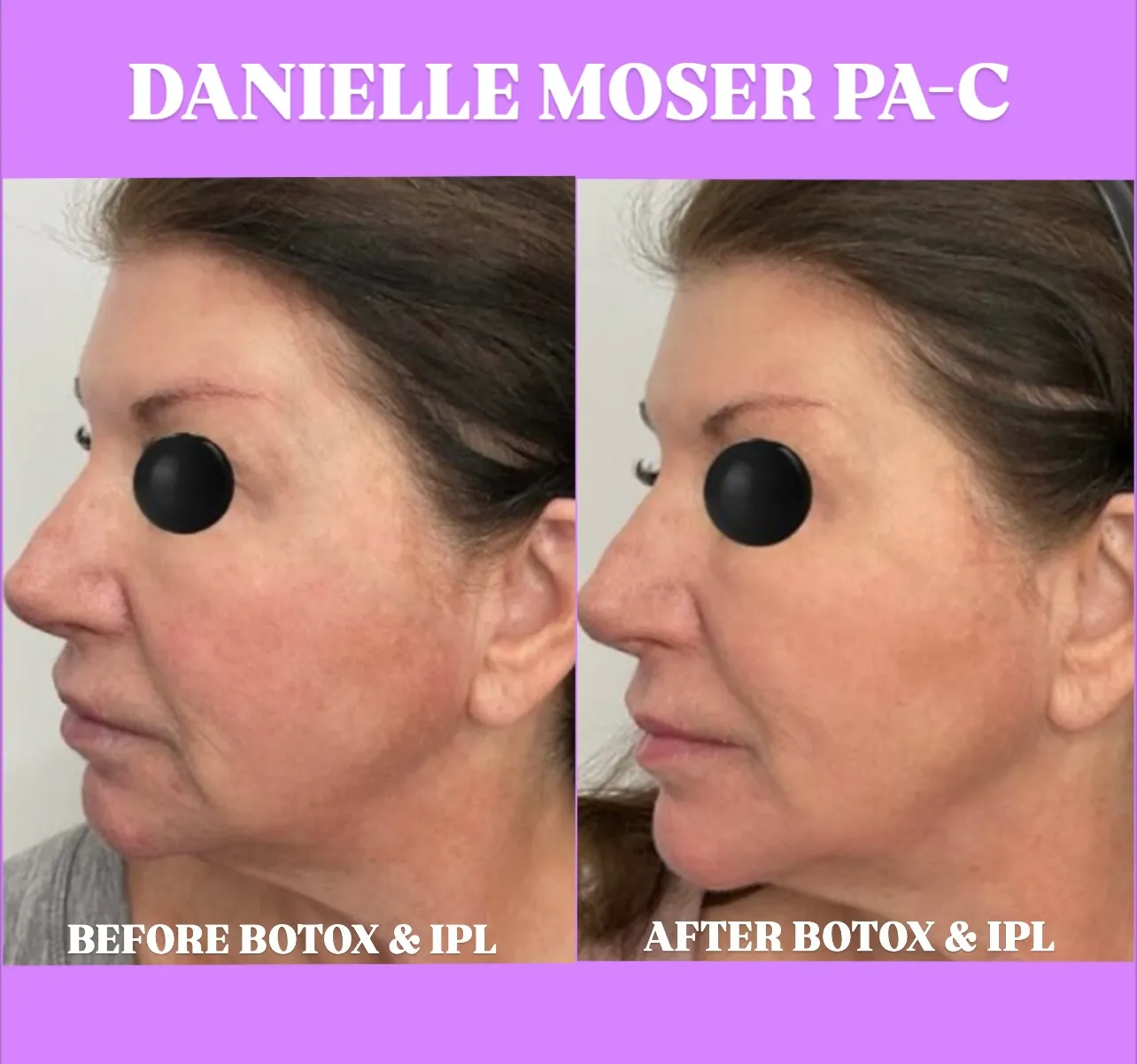
Browse more treatment pictures in our Before/After Gallery.
IPL treatment may cause some pain depending on your pain tolerance level. When an IPL device sends off energy to your skin, you may feel a tingly sensation similar to the snapping of a rubber band on your skin.
Each person is unique and your Laser Technician will decide on a plan that is best for you.
There is no existing evidence that IPL treatments cause cancer and in the last 25 years of research there is no evidence of any major adverse side effects.
We recommend ongoing treatment every 4-6 weeks.
This varies from person to person but the average is 3-6 treatments.
No. IPL is a light treatment, not a true laser. Unlike a laser, it uses a flashlamp to send out light across a broad range of wavelengths, and filters narrow that light to suit the concern being treated.
Yes. Photofacial and photorejuvenation are other names you may hear for IPL treatment.
IPL is not as effective on tan or dark skin. Your provider will look at your skin at your consultation and recommend the treatment that fits you best.
Sunburned skin cannot be treated, so protecting your skin starts before your visit. After treatment, skipping sun protection can lead to side effects from treatment and keep you from getting the results you want. Use a broad-spectrum sunscreen with SPF 30 or higher, as your aftercare instructions explain.
First Treatment
4 Weeks
Every 4 Weeks
Getting ready for your visit? Read the IPL pre- and post-treatment instructions.
Concerns we treat with IPL: Broken Capillaries, Facial Redness & Flushing, Fine Lines & Wrinkles, Freckles, Large Pores, Pigmentation, Rosacea, Sun Damage, Sun Spots & Aging, Uneven Skin Tone & Texture.
ResurFX fractional laser stimulates the production of new collagen and elastic fibers to produce a more radiant, youthful looking skin.
Learn moreCool Peel Laser in Tucson, AZ for smoother, brighter skin with minimal downtime. Improve fine lines and sun damage.
Learn moreVI Peel is a medical grade chemical peel from VI Aesthetics that reaches beyond the top layer of skin and into the middle dermal layer.
Learn moreBrowse all of the Tucson aesthetics treatments offered.
Or see which conditions we treat to find the treatment that’s right for you.
Contact Facial Artistry & Aesthetics to learn what we can do for you. Under the guidance of Danielle Moser, we promise appealing, natural looking results that enhance your true beauty.
Schedule your consultation online now or use the form below to get in touch with our office.